Roborock Review: The Robot Vacuum That Earned Its Reputation
Roborock has spent the last several years quietly outpacing better-known robot vacuum brands on nearly every technical measure that matters. Strong suction, smart mapping, multi-floor capability, and increasingly capable mop functions have made Roborock the brand that shows up repeatedly in independent testing comparisons and enthusiast community recommendations. If you’re researching robot vacuums seriously, you’ve encountered it. But with models ranging from $300 to over $1,500, knowing which Roborock is right for you requires more than brand name trust.
We reviewed Roborock across its current lineup, drawing on thousands of user reviews, independent testing from Wirecutter, RTINGS, and specialty cleaning communities, and real-world owner feedback from Reddit’s r/Roborock and r/homeautomation communities. Here’s what the evidence says.
What Is Roborock?
Roborock is a Beijing-based robotics company that launched in 2014 and initially gained attention through a partnership with Xiaomi before establishing its own independent brand. The company specializes in robot vacuums and robot vacuum-mop combos, selling primarily through its own website, Amazon, and major retailers including Best Buy and Home Depot.
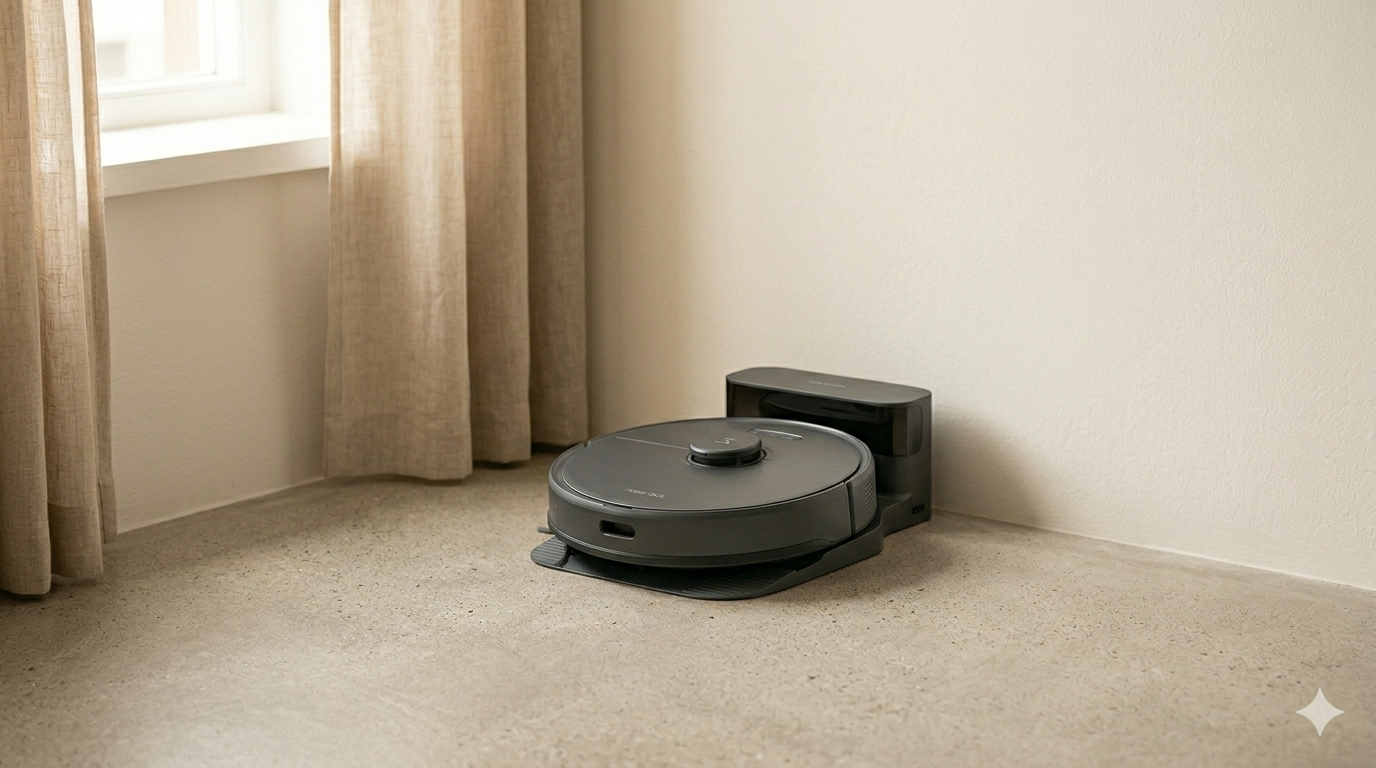
Roborock’s lineup spans entry-level models around $300 to flagship models exceeding $1,500. Across the range, the brand is known for LiDAR-based mapping (on mid-range and up), strong suction measured in pascals, and increasingly sophisticated app control. Higher-end models add features like auto-empty bases, self-cleaning mop systems, obstacle avoidance cameras, and the ability to lift the mop when transitioning from hard floors to carpet.
Who Is Roborock For?
Roborock is ideal for homeowners who want a set-it-and-forget-it cleaning solution and are willing to invest in quality to get there. The mid-range models ($400-$700) represent the brand’s strongest value proposition, delivering LiDAR mapping, strong suction, and reliable app-based scheduling that genuinely reduces how often you need to manually vacuum. Pet owners benefit significantly from the strong suction and HEPA filtration available across the lineup.
Budget shoppers might find Roborock’s entry-level options competitive but should know that the brand’s real strengths show up in the $500+ range. Apartment dwellers with mostly hard floors get excellent value from the mid-tier models. Large homes with multiple floor types benefit most from the flagship models with obstacle avoidance and auto-empty bases, though those carry premium prices that need to be weighed carefully.
What Users Love
Mapping accuracy is the most consistently praised feature across Roborock models. The LiDAR-based mapping produces detailed, editable floor plans that users can divide into zones, set virtual no-go areas, and run targeted cleaning runs on specific rooms. Compared to camera-based or bump-and-run vacuums, the precision is markedly better, and the maps remain accurate over time without needing to re-learn the space.
Suction performance earns consistently high marks in independent testing. Across carpet, hardwood, and tile, Roborock models pick up more debris per pass than most competitors at equivalent price points. The mopping function on mid-to-high models gets praise for being genuinely useful rather than just a marketing feature, particularly the models that vibrate the mop pad for better scrubbing.
App integration is another standout. The Roborock app is regularly cited as one of the better robot vacuum apps on the market, offering granular control, cleaning history, maintenance reminders, and voice assistant compatibility. Over-the-air updates regularly add features, and the brand has a track record of supporting older models with software improvements.
What to Know Before You Buy
The auto-empty base is a meaningful upgrade but adds cost. If you have pets or high-traffic areas that fill the dustbin quickly, the convenience is real. If you’re a single person in a small apartment, you may not need it enough to justify the premium.
Obstacle avoidance varies significantly by model tier. Mid-range Roborocks handle furniture and walls well but may struggle with smaller objects on the floor like charging cables, shoes, or pet toys. The higher-end models with 3D structured light or RGB cameras improve on this substantially. If your floors tend to be cluttered, factor this in when choosing a model tier.
Mop performance, while improving, is still better suited to maintenance mopping than deep cleaning. Roborock is clear about this positioning, but some buyers expect more. If you need genuine wet mopping performance for tough messes, the robot mop is a supplement to occasional manual cleaning, not a replacement.
How It Compares
Roborock’s primary competitors are iRobot Roomba (now part of Amazon), Ecovacs, Dreame, and Shark. Against Roomba, Roborock generally offers better mapping, stronger suction, and more sophisticated app control at comparable or lower prices. iRobot’s strength is brand recognition and a larger accessories ecosystem. Ecovacs and Dreame compete closely in the mid-to-high tier; Dreame in particular has been narrowing the gap in recent testing. Shark offers competitive pricing at the entry level but falls behind in mapping sophistication.
For most buyers comparing mid-range options in the $400-$700 range, Roborock consistently ranks at or near the top of independent recommendation lists from Wirecutter, The Verge, and consumer testing organizations.
Is It Worth the Price?
For the mid-range models, yes. A $500-$600 Roborock with LiDAR mapping, strong suction, and a competent app delivers enough time savings and cleaning performance to justify the cost for most households. The math on time-back-per-dollar is favorable compared to manual vacuuming several times a week.
For the flagship models above $1,000, the value calculation depends on specific needs. If you have pets, large multi-floor homes, or want true hands-off operation with auto-empty and self-cleaning mop, the investment can be justified. For a single-floor apartment or smaller home, the mid-range delivers 90% of the result at half the price.
Our Verdict
Roborock has earned its position as a top recommendation in the robot vacuum category through consistent technical performance, excellent mapping, and a strong software ecosystem. The mid-range lineup is where the brand shines brightest, offering a genuine step up from budget robot vacuums without requiring flagship-level spending. For pet owners, busy households, and anyone who wants to genuinely reduce their manual vacuuming workload, Roborock is one of the best choices on the market.
Buyer’s note: model selection matters. Do the research on which tier fits your home size and floor type before purchasing, as the differences between entry, mid, and flagship are significant.
Frequently Asked Questions
Which Roborock model is best for pet hair?
Mid-range models like the S7 series and above offer strong suction and HEPA-level filtration suited for pet hair. Models with auto-empty bases are particularly convenient for high-shedding households.
Does Roborock work with Alexa and Google Home?
Yes. Roborock integrates with Amazon Alexa, Google Home, and Apple Siri for voice control commands.
How often does the Roborock dustbin need to be emptied?
Without an auto-empty base, every 3-5 cleaning sessions is typical for average households. Models with auto-empty bases can go 6-8 weeks between emptying the dock.
Is Roborock good for carpets?
Yes. Roborock performs well on low-to-medium pile carpets. Higher-end models automatically increase suction on carpet and lift the mop pad to avoid wetting carpet surfaces.
Where can I buy Roborock?
Roborock is available at roborock.com, Amazon, Best Buy, Home Depot, and Costco.