Meraki Medicinal Review: The Honest Take on This Methylene Blue Supplement
Methylene blue has gone from a century-old pharmaceutical dye to one of the more buzzed-about compounds in the biohacking and cognitive performance space, and Meraki Medicinal is one of the brands capitalizing on that momentum. If you’ve been down the rabbit hole of nootropics forums or longevity podcasts, you’ve likely encountered methylene blue as a mitochondrial support compound with a surprisingly deep research history. The question isn’t really whether methylene blue is interesting, it’s whether Meraki Medicinal specifically is worth your money and trust.
The Meraki Medicinal review landscape is thinner than established supplement brands because this is a niche product in a niche category. But the feedback that exists, particularly from biohackers who have tried multiple methylene blue sources, is genuinely informative. The brand’s main claims are around purity (USP-grade pharmaceutical quality) and dosing precision, and those are exactly the right things to be emphasizing in a category where product quality varies dramatically.
What Is Meraki Medicinal?
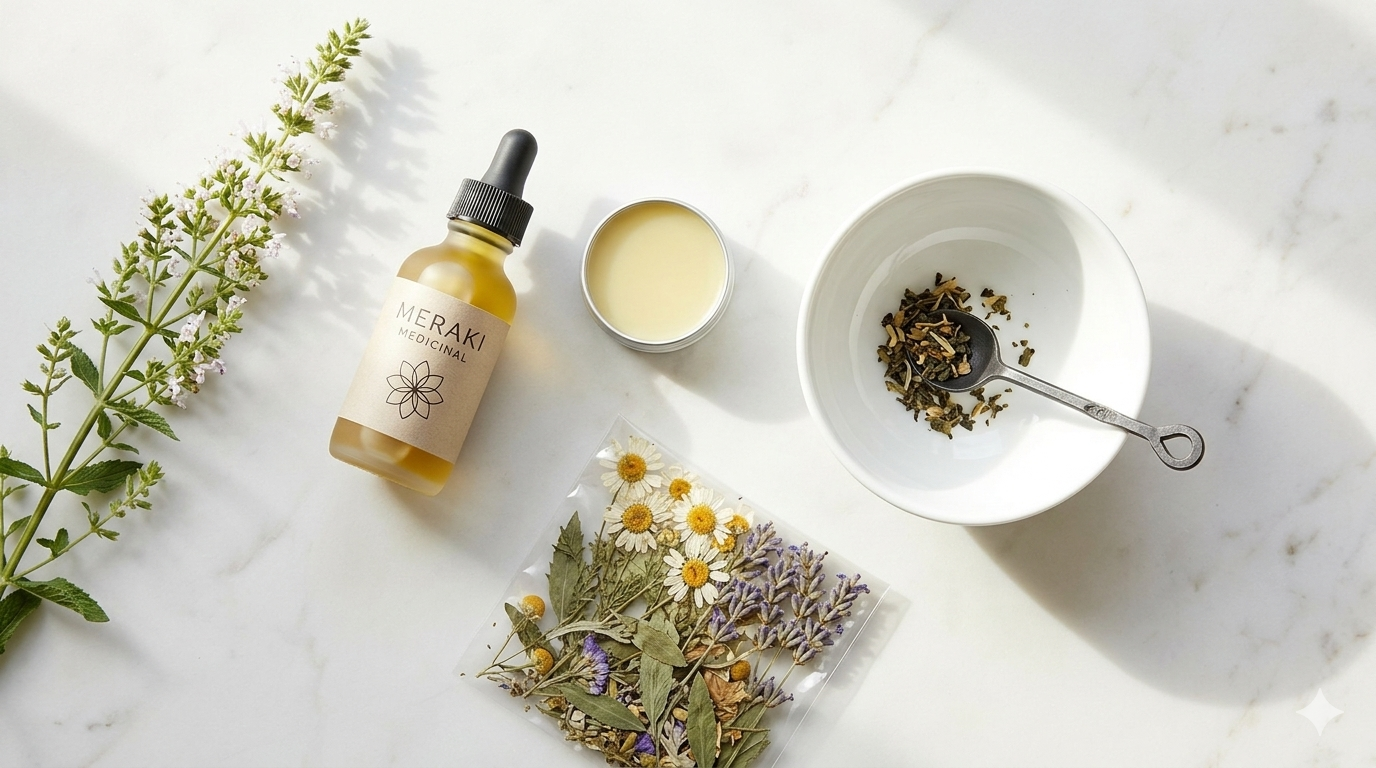
Meraki Medicinal makes methylene blue supplements targeted at cognitive enhancement, brain fog reduction, and mitochondrial energy support. Their core product is pharmaceutical-grade methylene blue, formulated at the USP (United States Pharmacopeia) standard, meaning it meets the purity and potency benchmarks used in medical and pharmaceutical applications. This is a meaningful distinction in a supplement market where industrial-grade methylene blue (used in labs and fish tanks) is sometimes sold as a health supplement at significantly lower cost. Products are available in liquid drop form for flexible dosing, typically in the 10-50mg range per dose. Prices vary by product size, generally starting around $30-$50 for a supply designed for regular use.
Who Is This Actually For?
Meraki Medicinal is best suited for experienced supplement users who have already explored conventional nootropics and are ready to try a more advanced compound. The ideal buyer has done meaningful research on methylene blue, understands the pharmacology at a basic level, knows about the MAO inhibitor interaction risk (critical: methylene blue has significant interactions with serotonergic drugs), and is looking for a trustworthy USP-grade source rather than a cheap industrial alternative.
This is not a good starting point for someone new to supplements or cognitive enhancement. Methylene blue is a pharmacologically active compound with real drug interactions. Anyone taking antidepressants (SSRIs, SNRIs, MAOIs), migraine medications, or other serotonergic drugs should not take methylene blue without explicit medical supervision due to the risk of serotonin syndrome. If that’s you, this is a hard pass regardless of the brand. Meraki Medicinal is also not the right fit for anyone looking for a simple, broad-use supplement without research requirements.
What Real Users Love About It
Purity and sourcing transparency are the most consistently cited strengths. Users who have tried lower-grade methylene blue from less reputable sources describe Meraki Medicinal as noticeably cleaner, with fewer of the digestive side effects (nausea, upset stomach) that can accompany impure products. The pharmaceutical USP grade standard matters in this category more than in most supplement categories, because the consequences of impurity are more immediate and noticeable.
The liquid drop format earns praise for dosing flexibility. Experienced methylene blue users often prefer to titrate their dose slowly (starting as low as 0.5-1mg and building up) to find their personal effective dose, and a calibrated liquid format makes that far easier than capsules or tablets. Several forum users across r/nootropics and r/biohackers specifically mention the drop format as a key reason they chose Meraki Medicinal over competitors.
Customer service is mentioned positively in a number of reviews, with buyers reporting that the team is knowledgeable about the product and responsive to questions about usage and sourcing. In a niche market where some buyers have detailed technical questions, that responsiveness matters.
What to Know Before You Buy
Drug interactions are the single most important thing to understand before purchasing methylene blue from any source. Methylene blue inhibits MAO (monoamine oxidase) and has serious interactions with serotonergic medications. Taking methylene blue with SSRIs, SNRIs, triptans, or other serotonin-affecting drugs can cause serotonin syndrome, a potentially life-threatening condition. This is not a theoretical risk. Read the interaction profile carefully and consult a physician if you take any prescription medications before purchasing.
The regulatory status of methylene blue as a supplement is worth understanding. The FDA has not approved methylene blue as a dietary supplement for the cognitive and mitochondrial uses it’s commonly marketed for (its approved medical uses are specific, like treating methemoglobinemia). This doesn’t mean the product is illegal to sell or buy as a supplement, but it does mean you’re operating in territory where the evidence base is based on research literature and anecdotal reports rather than FDA-reviewed clinical trials.
Methylene blue will turn your urine blue-green. This is completely normal and harmless, but it startles buyers who aren’t expecting it. Meraki Medicinal mentions this on their site, but it’s worth reiterating: it’s a known effect of methylene blue metabolism, not a sign of a problem.
How It Compares to Top Competitors
The main competitors in the USP-grade methylene blue space include Troscriptions (which makes a buccal troche format that bypasses first-pass liver metabolism), Methylene Blue by Nootropics Depot, and a handful of compounding pharmacies that provide pharmaceutical-grade methylene blue with medical supervision.
Troscriptions is the most credible direct competitor, with a physician-led brand and rigorous formulation standards. Their troche format delivers methylene blue sublingually, which many users prefer for faster onset and potentially more consistent absorption. It’s also more expensive. For buyers who want the most medically rigorous approach, Troscriptions may be the stronger option.
Nootropics Depot’s methylene blue is widely used in the nootropics community and benefits from the brand’s established third-party testing reputation. For buyers already in the Nootropics Depot ecosystem, it’s a natural comparison point. Meraki Medicinal competes on the USP purity angle and the flexible liquid format.
Is It Worth the Price?
For the right buyer, yes. If you’ve researched methylene blue, understand the pharmacology, have ruled out drug interactions, and want a trustworthy USP-grade source in a flexible dosing format, Meraki Medicinal delivers on its core promise. The premium over industrial-grade alternatives is justified by the purity standards, and purity is genuinely important in this category.
If you’re still in the research phase and aren’t sure methylene blue is right for you, don’t purchase it yet from any source. Understand what you’re taking before you take it. That’s true of all supplements but especially true of pharmacologically active compounds like this one.
Our Verdict
Meraki Medicinal is a solid option for educated biohackers looking for pharmaceutical-grade methylene blue with flexible dosing. The USP purity standard is meaningful, the liquid format is genuinely useful for titration, and the brand’s customer service knowledge earns trust. Do your drug interaction homework first, consult a doctor if you’re on any medications, and if the profile fits, this is one of the more credible sources in a niche market.
Frequently Asked Questions
Is methylene blue safe?
Methylene blue has a well-established safety profile at low doses for healthy adults who are not taking serotonergic medications. The most important safety concern is the interaction with drugs that affect serotonin levels, including SSRIs, SNRIs, MAOIs, and triptans, which can cause serotonin syndrome. Anyone taking these medications should not use methylene blue without physician supervision. At typical nootropic doses (1-10mg), side effects for eligible users are generally mild, including blue-green urine and occasional nausea at higher doses.
What does USP-grade methylene blue mean?
USP (United States Pharmacopeia) grade means the product meets the purity and manufacturing standards established for pharmaceutical use. This is a higher standard than industrial or reagent-grade methylene blue, which is sold for lab, chemistry, and aquarium use and may contain impurities that are not appropriate for human consumption. USP-grade is what you want if you’re taking methylene blue as a supplement.
How should I dose methylene blue?
Most experienced users recommend starting with a very low dose (0.5-1mg) and titrating up slowly over days or weeks to find your personal effective dose. The commonly discussed therapeutic range for cognitive benefits is 0.5-4mg/kg body weight for low-dose protocols, though practices vary widely in the biohacking community. Do not start at the high end of any dose range.
Will methylene blue turn my urine blue?
Yes. Blue-green urine is a normal and harmless effect of methylene blue metabolism. It will appear within hours of taking the supplement and resolves as the compound clears your system. This is expected and does not indicate any problem.
Can I take methylene blue with my antidepressant?
No, not without explicit medical supervision. Methylene blue has MAO inhibitor properties and can cause serotonin syndrome when combined with SSRIs, SNRIs, and other serotonergic medications. This is a serious interaction. If you take any antidepressant or mood medication, consult your doctor before considering methylene blue.