PUR Cold Pressed Juice Review: Fresh but Pricey for the Sugar Content
Cold-pressed juice has always occupied an interesting tension between genuine nutrition and expensive wellness theater, and PUR Cold Pressed Juice sits squarely in that debate. The brand makes fresh organic cold-pressed juices and cleanses delivered directly to your door, and the product quality is genuinely good. The honest conversation around PUR isn’t whether the juices taste fresh and clean (they do), it’s whether the nutritional tradeoffs and price point make sense for what most buyers are actually looking for.
The PUR Cold Pressed Juice review conversation that shows up on Reddit’s r/nutrition, r/juicing, and wellness forums is instructive. Regular buyers love the taste and convenience. Nutritionally-minded users raise reasonable questions about the sugar content in fruit-forward blends and the fiber loss inherent in the juicing process itself. Both perspectives are valid, and understanding them before you order is how you decide if PUR is the right fit for your goals.
What Is PUR Cold Pressed Juice?
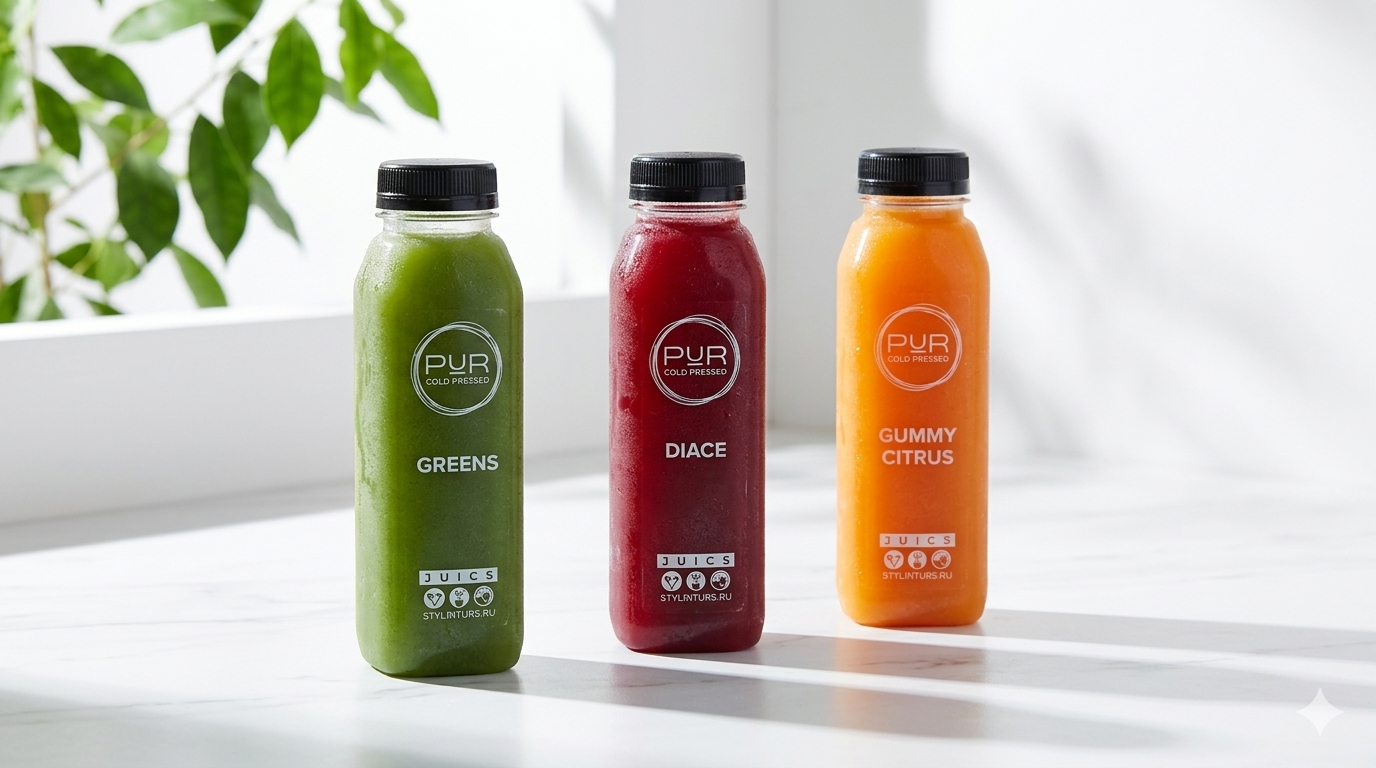
PUR Cold Pressed Juice is a direct-to-consumer cold-pressed juice brand offering individual bottles, juice bundles, and structured juice cleanses (typically 1-day, 3-day, and 5-day programs). Products are made from organic produce and cold-pressed using a hydraulic press that extracts juice without heat, preserving more of the enzymes and nutrients than traditional centrifugal juicing. The juice lineup includes greens-based blends, citrus and fruit blends, nut milks, and combination drinks. Individual bottles typically run $9-$12, and cleanse packages are priced higher per-bottle but often come with modest discounts. The brand ships fresh and frozen options depending on the product.
Who Is This Actually For?
PUR Cold Pressed Juice is a natural fit for health-conscious buyers who want premium, fresh-tasting organic juices delivered to their home without having to source organic produce and run it through their own juicer. If you’re someone who already juices at home but finds the preparation time and cleanup inconvenient, PUR offers a genuine convenience upgrade. It’s also well suited for people incorporating juice into a broader wellness routine, those doing occasional short cleanses, and buyers who prioritize organic certification and ingredient transparency.
It’s not the right fit for buyers primarily motivated by maximizing dietary fiber (juicing removes fiber from produce), anyone managing blood sugar carefully (the natural sugar content in fruit-heavy blends is real, even without added sweeteners), or shoppers on a tight budget who need a daily habit they can sustain. At $9-$12 per bottle for what is functionally a drink, the cost adds up quickly as a daily routine.
What Real Users Love About It
Taste is the universal strength cited across reviews. Cold-pressed juices from PUR are consistently described as noticeably fresher and more vibrant than grocery store juice options, even the ones labeled as cold-pressed. The difference between fresh-pressed organic juice and a pasteurized bottle that’s been sitting on a shelf becomes immediately obvious when you taste PUR’s product, and this is the most common reason buyers return.
The greens blends earn particular praise from users who struggle to hit their vegetable intake through food alone. Several verified buyers on the site describe the green juices as an easy, palatable way to get spinach, kale, cucumber, and celery into their day without spending 20 minutes prepping and cleaning a juicer. For buyers who know they won’t eat those vegetables in whole form, the juice delivers the vitamins and minerals even if it skips the fiber.
The cleanse experience gets positive marks for structure and taste variety. Users who have tried juice cleanses from multiple brands note that PUR’s flavor range keeps the program from feeling monotonous, which is a real problem with cleanse programs that cycle through the same two or three flavors repeatedly. The inclusion of nut milks in cleanse packages also earns appreciation for making the experience feel more satisfying and complete.
What to Know Before You Buy
Sugar content is the most important thing to examine before purchasing specific products. Fruit-forward blends (like pineapple, apple, and carrot combinations) can contain 20-35 grams of natural sugar per bottle. This is not added sugar, and it comes with vitamins and enzymes, but the glycemic impact of liquid fruit sugar is real. If you’re watching carbohydrate intake, diabetic, or monitoring blood sugar, the greens-forward blends with minimal fruit are a much better choice than the fruit-dominant ones. Check the nutrition label before ordering.
Shelf life is shorter than grocery store juice. Fresh cold-pressed juice without heat pasteurization typically has a refrigerated shelf life of 3-5 days, though some products use HPP (high-pressure processing) which extends shelf life. Know what you’re ordering and plan your consumption accordingly. Frozen options are available for buyers who want a longer window.
The price per bottle is one of the more common points of buyer hesitation after the first order. At $9-$12 per bottle plus shipping, incorporating PUR into a daily routine costs $270-$360 per month at one bottle per day. That’s a significant ongoing expense compared to buying organic produce and juicing at home, or choosing a greens powder for the nutrient-dense coverage without the per-serving cost. Know your budget before setting a recurring order expectation.
How It Compares to Top Competitors
Against Suja Juice, which is widely available at grocery stores and club retailers, PUR offers fresher product quality but less accessibility and higher cost. Suja’s wider retail availability makes it significantly more convenient for buyers who don’t want to plan ahead for delivery. For pure taste and freshness, PUR tends to win in direct comparisons, but the logistical advantage of grocery availability is real.
Pressed Juicery is the other direct-to-consumer cold-pressed brand buyers compare PUR to most often. Pressed Juicery has retail locations in addition to delivery, and their product line is extensive. The taste comparison between the two brands is largely a matter of personal preference; both use quality organic produce and cold-press methods. PUR tends to appeal more to buyers who prioritize the delivery model and regional freshness.
Against making juice at home with a quality cold press juicer (which runs $200-$500 upfront), PUR is more expensive over time but eliminates the prep, cleanup, and sourcing work entirely. For buyers who have tried home juicing and found it unsustainable as a habit, PUR’s convenience often justifies the premium.
Is It Worth the Price?
For buyers who genuinely value fresh organic cold-pressed juice and would otherwise buy it daily from a local juice bar (where prices are often comparable or higher), PUR represents fair value for the quality delivered. The taste difference is real and the organic sourcing is credible.
For buyers who are primarily interested in the health benefits of vegetables and fruits without the convenience-over-cost tradeoff, a greens powder, a home juicer, or simply eating more whole produce will serve the underlying goal at a fraction of the ongoing cost. The value of PUR is largely about the experience and convenience, not about achieving nutritional outcomes that couldn’t be reached another way.
Our Verdict
PUR Cold Pressed Juice delivers genuinely excellent-tasting fresh organic juice at a premium price that’s appropriate for a premium product. Buy it if you love cold-pressed juice, appreciate the convenience of delivery, and have budgeted for it as a regular purchase. Be aware of sugar content on fruit-forward blends, plan around the shelf life, and consider the greens-focused options if you’re optimizing for nutrition over taste alone.
Frequently Asked Questions
Is PUR Cold Pressed Juice actually organic?
Yes. PUR uses organic produce across their product line. Organic certification is a meaningful commitment for a juice brand given how much produce goes into each bottle and how concentrated the resulting drink is.
How long does PUR Cold Pressed Juice last?
Fresh cold-pressed products typically have a refrigerated shelf life of 3-5 days. Products made with HPP (high-pressure processing) last longer (often 30-45 days refrigerated). Frozen products have a longer shelf life before thawing. Check the specific product description and the date on your delivery before planning your consumption schedule.
Is a juice cleanse actually good for you?
The science on juice cleanses is mixed. There is no robust evidence that a short juice cleanse detoxifies the body in any meaningful biological sense (your liver and kidneys handle detoxification continuously). However, a cleanse can serve as a reset for eating habits, help reduce processed food intake for a short period, and provide a concentrated dose of vitamins and minerals. The main nutritional tradeoffs are loss of dietary fiber and high natural sugar intake from fruit-heavy blends. For most people, a cleanse is not harmful and may have psychological benefits as a pattern reset, but it’s not a medical treatment.
How much sugar is in PUR Cold Pressed Juice?
It varies significantly by product. Greens-forward blends with minimal fruit can have 5-10 grams of natural sugar per bottle. Fruit-dominant blends like orange-carrot or pineapple-based drinks can have 25-35 grams of natural sugar. Check the nutrition label for the specific product you’re ordering, particularly if you’re managing blood sugar or following a low-sugar diet.
Does PUR ship nationwide?
PUR Cold Pressed Juice ships across the continental US. Shipping costs and delivery times vary by location. Fresh products ship with cold packaging; check their site for current shipping rates and any order minimums that apply.