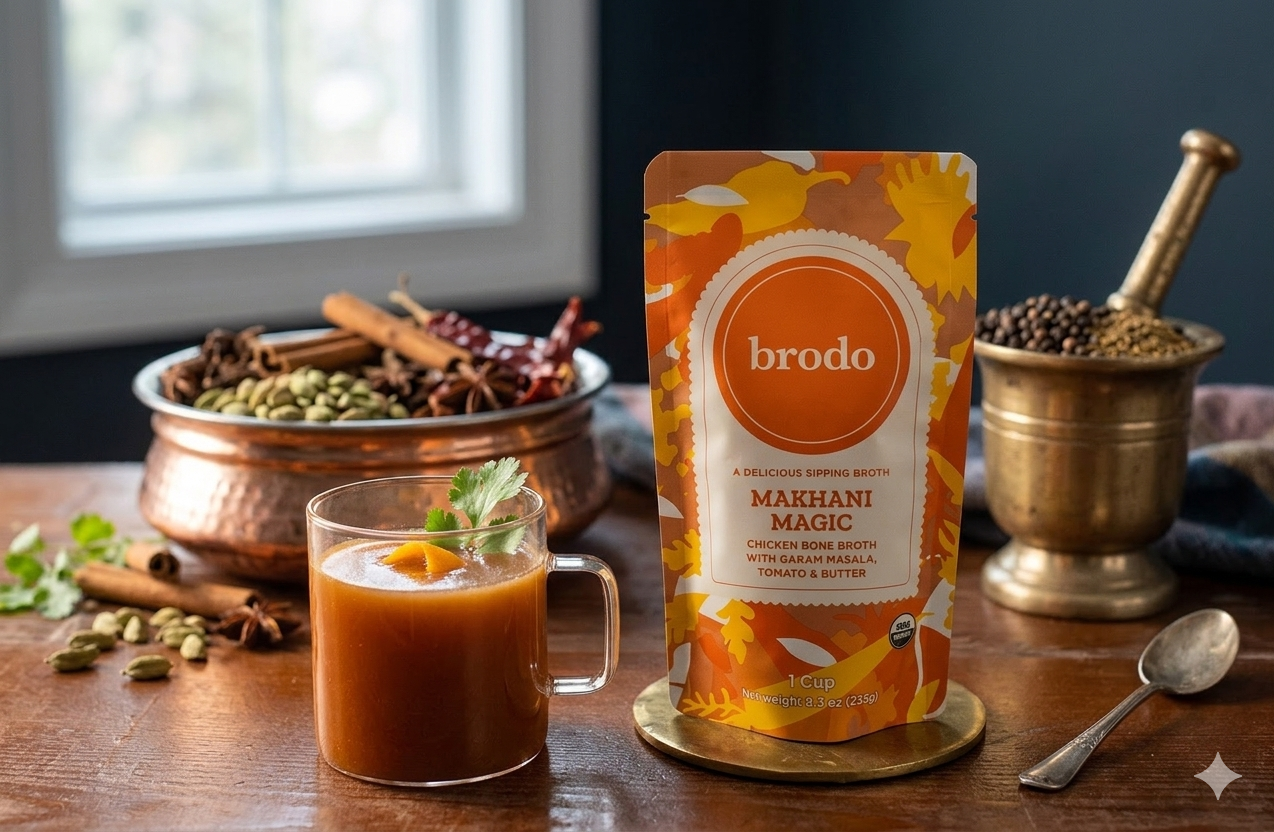
Brodo Bone Broth Review: A Chef-Made Sipping Broth Worth the Premium (With One Trade-Off)
Most store-bought bone broth is, frankly, hot salt water with a stock cube somewhere in its family tree. That’s the context you need to understand the appeal of Brodo bone broth: it’s the rare brand built by an actual chef (James Beard winner Marco Canora of NYC’s Hearth) who cares about how the stuff tastes in a mug, not just whether it can sit on a shelf. The texture is gelatinous and jiggly when cold, the flavors range from a classic chicken to a chili-infused Spicy Nonna, and reviewers from Bon Appétit to Verywell Fit have ranked it at or near the top of taste tests.
That’s the headline. Here’s the tension: Brodo is also one of the most expensive sipping broths on the market, with around 7 to 10 grams of protein per serving. If you’re buying bone broth as a high-protein supplement, the math doesn’t favor Brodo. If you’re buying it because you want something that actually tastes like the broth your grandmother would have made, it’s hard to do better.
This Brodo bone broth review pulls together what real buyers are actually saying on Amazon, Trustpilot, expert taste tests, and food-publication reviews, plus the brand’s own packaging shift from frozen to shelf-stable in 2024 (which matters more than it sounds).
What Is Brodo?
Brodo Broth Co. launched in 2014 from a takeout window on First Avenue in New York’s East Village, attached to chef Marco Canora’s restaurant Hearth. The pitch was simple: bone broth, made the old-fashioned way, served in a paper cup like coffee. The brand has since grown into a national direct-to-consumer business shipping shelf-stable single-serve pouches across the country.
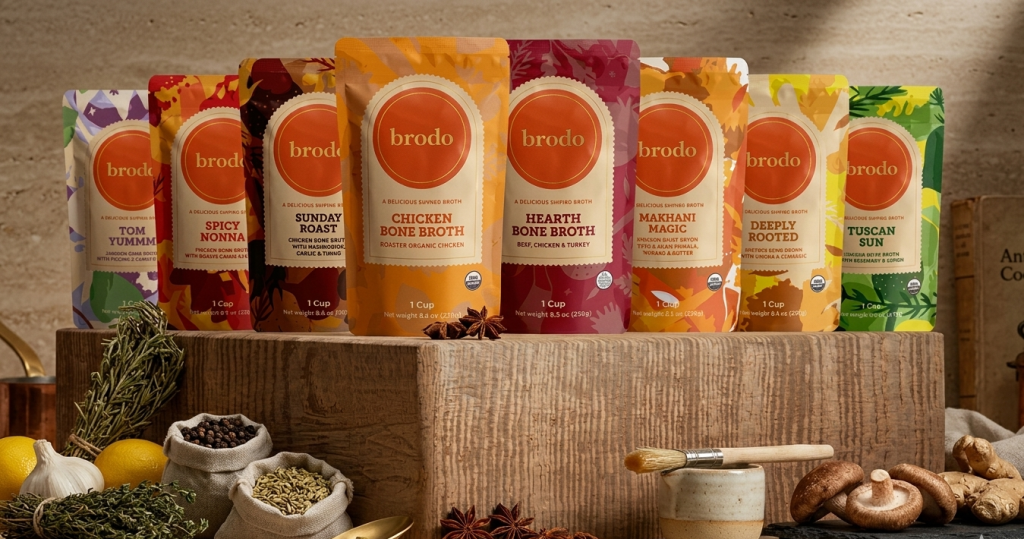
The current lineup includes Organic Chicken, Signature Hearth (a blend of chicken, turkey, and beef), Grass-Fed Beef, Organic Mushroom, Spicy Nonna, Deeply Rooted, Tom Yum, and Tuscan Sun. Pricing runs roughly $11 to $13 per carton on subscription, with single bottles starting around $5.95. Subscribers get 15 percent off, free mugs on the second order, and the option to skip or cancel anytime.
Who Is Brodo Bone Broth Actually For?
Honestly, this is a product for a fairly specific person. You will love Brodo if you treat bone broth as a daily ritual rather than a supplement: a hot mug in the morning instead of coffee, a savory pick-me-up at 3 p.m., the base for a soup or risotto when you don’t have six hours to make stock yourself. The flavors are where Brodo earns its price tag. Spicy Nonna and Tom Yum, in particular, are the kind of broths reviewers say they “actually look forward to drinking,” which is a low bar for most of the category and a high one for shelf-stable broth.
It’s also a fit for the chef-curious wellness shopper: someone who has read about collagen and gut health, wants the gelatinous texture that signals real bones and long simmer times, and is happy paying for clean sourcing (grass-fed, antibiotic-free, organic vegetables, no concentrates or preservatives).
Who should skip it? If your goal is hitting a protein target, Brodo is not the most efficient way to get there. Bonafide Provisions, sold frozen, packs 18 to 20 grams of protein per serving versus Brodo’s 7 to 10. If you’re sodium-sensitive, the 350 to 375 mg per cup is on the higher side. And if you mostly want a cheap, neutral cooking stock for soups and rice, plain organic broth from the grocery store will do the job for a third of the price.
What Real Users Love About Brodo
The praise is remarkably consistent across sources, and it almost always starts with taste. Bon Appétit ranked Brodo second out of 22 bone broths in a blind tasting, calling out a “surprisingly clean, yet also very intense beef flavor” with “sweetness and brightness.” Verywell Fit named it best tasting overall. The Manual ran a piece literally titled “I tried Brodo bone broth and it completely changed my mind about bone broth,” which is the sort of headline that doesn’t get written about most pantry staples.
The texture comments are telling. Multiple reviewers note that a cold Brodo pouch is jiggly, almost solid, the way real homemade stock behaves when it cools. That gelatinous quality is the proof of long simmer times and real connective tissue, and it’s something most shelf-stable competitors can’t replicate. One reviewer at The Quality Edit described it as “as close to homemade as I’ve tasted.”
The flavor variety wins points too. The Tom Yum (lemongrass, coconut, chili) and Spicy Nonna (garlic, chili pepper) are the ones that show up repeatedly in social posts and TikTok unboxings, because they’re genuinely interesting on their own. A verified Amazon reviewer described Spicy Nonna as the broth they “reach for when I’m sick and want something that actually tastes like food.”
The 2024 packaging shift is a smaller but real win. Brodo moved from frozen to shelf-stable pouches after testing more than 40 packaging styles, mostly in response to repeated complaints about cracked, smashed, and leaking frozen cartons. The new pouches are pantry-stable, lighter to ship, and noticeably less of a freezer-space tax. Most reviewers say the shelf-stable version tastes “almost as good” as the original frozen, with the small caveat that the absolute purists prefer the old format.
What to Know Before You Buy
This is where the honest read matters, because Brodo’s downsides are specific and worth knowing about before you click subscribe.
The price is real, and it’s not on sale very often. At around $11 to $13 per single-serve carton, Brodo is meaningfully more expensive than Kettle & Fire (typically $7 to $9 per carton at retail) and shelf-stable grocery brands. The subscription discount helps, and the 15 percent code that shows up after your first order helps more, but you should plan on Brodo costing two to three dollars more per serving than competitors. If that math gives you pause, that’s a useful signal: this is a quality-first product, not a value play.
The protein content is lower than the marketing might suggest. One serving runs 7 to 10 grams of protein depending on the flavor. That’s fine for a sipping broth, but it’s well behind frozen competitors like Bonafide. Bluebird Provisions, which makes its own competing broth, has flagged this directly: “Brodo makes delicious bone broth, but the nutrition profile isn’t strong.” Translation: if you’re chasing collagen and protein numbers, do the math on cost-per-gram before subscribing.
Sodium is on the higher end. Most flavors run 350 to 400 mg per cup. That’s not unusual for the category, but it’s worth flagging for anyone watching salt intake. The Tom Yum and Spicy Nonna lean saltier than the plain chicken.
Subscription management deserves attention. The subscription is genuinely cancellable at any time and you can swap or skip flavors, which is more flexible than many DTC food brands. That said, a few buyers on Trustpilot and Yelp have noted being caught off guard by the cadence (the default is every 4 weeks). If you want the discount but not the auto-ship, subscribe for the first order and adjust the schedule before the second renewal.
No standard return policy. Brodo doesn’t accept returns the way an apparel brand does. They will attempt to resolve issues case by case, and reviewers who reported leaking pouches generally got replacements, but you should treat this as a product you’re committing to rather than testing.
Shipping to Hawaii and Alaska is a special-request situation, not standard. If you’re outside the contiguous 48, contact support before ordering.
The NYC retail experience is separate. If you happen to be in New York and visit a Brodo physical takeout window, the experiences vary. There are scattered complaints on Tripadvisor and Yelp about wait times, sold-out flavors, and unstaffed counters during off hours. None of this affects the shipped product, but it’s worth knowing if you’re planning a pilgrimage.
How Brodo Compares to Kettle & Fire and Bonafide
These are the three brands that come up most often in head-to-head comparisons, and each has a clear lane.
Kettle & Fire is the convenience and value champion. It’s shelf-stable, widely available at grocery stores like Whole Foods, Sprouts, and Target, and cheaper than Brodo. Kettle & Fire is also the only one of the three that publishes third-party verified collagen content (about 7 grams per beef serving, 4 grams per chicken). The trade-off is taste: aseptic packaging gives Kettle & Fire a slightly more “processed” flavor compared to Brodo’s chef-driven recipes. If you want a daily, reliable, easy-to-find broth, Kettle & Fire wins.
Bonafide Provisions is the protein and freshness play. Their broths are frozen, which preserves more protein and a fresher flavor, and they pack 18 to 20 grams of protein per serving versus Brodo’s 7 to 10. Bonafide is fully USDA organic and publishes a “never ever” list of additives. The trade-off is logistics: you need freezer space, frozen shipping is expensive, and the flavor variety is narrower than Brodo’s. If your priority is nutritional density, Bonafide wins.
Brodo wins on taste and flavor variety, full stop. The chef-driven recipes (Spicy Nonna, Tom Yum, Tuscan Sun) genuinely don’t have direct competition at this quality level. If you care most about how the broth tastes in a mug, Brodo is the pick. If you also want it shelf-stable now, post-2024 packaging changes have closed most of the gap with the original frozen format.
Is Brodo Bone Broth Worth the Price?
The short answer is yes, with a clear caveat: it depends entirely on why you’re buying bone broth in the first place.
If you want something to drink, a daily mug-of-something-warm habit, a real-broth flavor base for cooking, or a way to introduce someone skeptical to the genre, Brodo is worth the premium. You’re paying for chef-level recipes, real bones, traditional simmer times, and a flavor profile that almost no shelf-stable competitor can match. The new pouches make it easier to keep around. The subscription discount makes the math friendlier.
If you’re buying bone broth as a protein supplement, treat the price tag honestly: at 7 to 10 grams per serving and $11+ per carton, you’re paying roughly a dollar per gram of protein. That’s expensive protein. A pouch of Bonafide or even a quality unflavored collagen powder will deliver more grams per dollar. There’s nothing wrong with that being the wrong fit, it just means Brodo isn’t the right tool for that job.
Our Verdict
Brodo is the best-tasting shelf-stable bone broth on the market, and worth the premium if you actually plan to drink it. Skip it if your priority is high protein per dollar; choose Bonafide for that, or Kettle & Fire if you want the convenience of grocery-store availability at a lower price.
Frequently Asked Questions
Is Brodo bone broth actually made by Marco Canora?
Yes. Marco Canora is a James Beard award-winning chef and owner of the Hearth restaurant in NYC’s East Village, and Brodo is his brand. The recipes are based on the broths he served at Hearth, and the brand started as a literal takeout window attached to the restaurant in 2014.
How much protein is in Brodo bone broth?
Most flavors deliver 7 to 10 grams of protein per cup-sized serving, depending on the recipe. That’s lower than frozen competitors like Bonafide (18 to 20 grams) and roughly comparable to Kettle & Fire’s chicken broth.
Is Brodo shelf-stable or frozen?
Brodo transitioned to shelf-stable pouches in 2024 after years of frozen packaging that caused shipping breakage and leakage. The new pouches store at room temperature until opened, which most buyers say is a meaningful upgrade. A small minority of long-time customers say the original frozen version had a slightly fresher taste.
Is the Brodo subscription easy to cancel?
Yes. Subscribers can swap flavors, skip a delivery, or cancel anytime through their account. Most cancellation complaints in reviews come from people who didn’t realize the default cadence was every 4 weeks. Adjust the schedule on your account before the second renewal if you want a slower pace.
Does Brodo bone broth taste like soup or like beef?
Both, depending on the flavor. The Hearth and Grass-Fed Beef broths are intensely savory and meat-forward, with reviewers comparing the depth to homemade stock. The Tom Yum and Spicy Nonna are closer to a finished soup, with chili, lemongrass, and aromatics adding heat and brightness. The Mushroom is the most plant-forward and works as a vegetarian sipping broth.
Where can I buy Brodo besides their website?
Brodo is sold direct at brodo.com (with the best subscription pricing), on Amazon (where the brand has a verified storefront), and at the original NYC takeout windows. The shelf-stable pouches are gradually rolling into select retailers, but the website remains the most reliable place to find the full flavor lineup.