MUSASHI Knives Review: 250 Years of Japanese Craftsmanship – With a Customer Service Catch
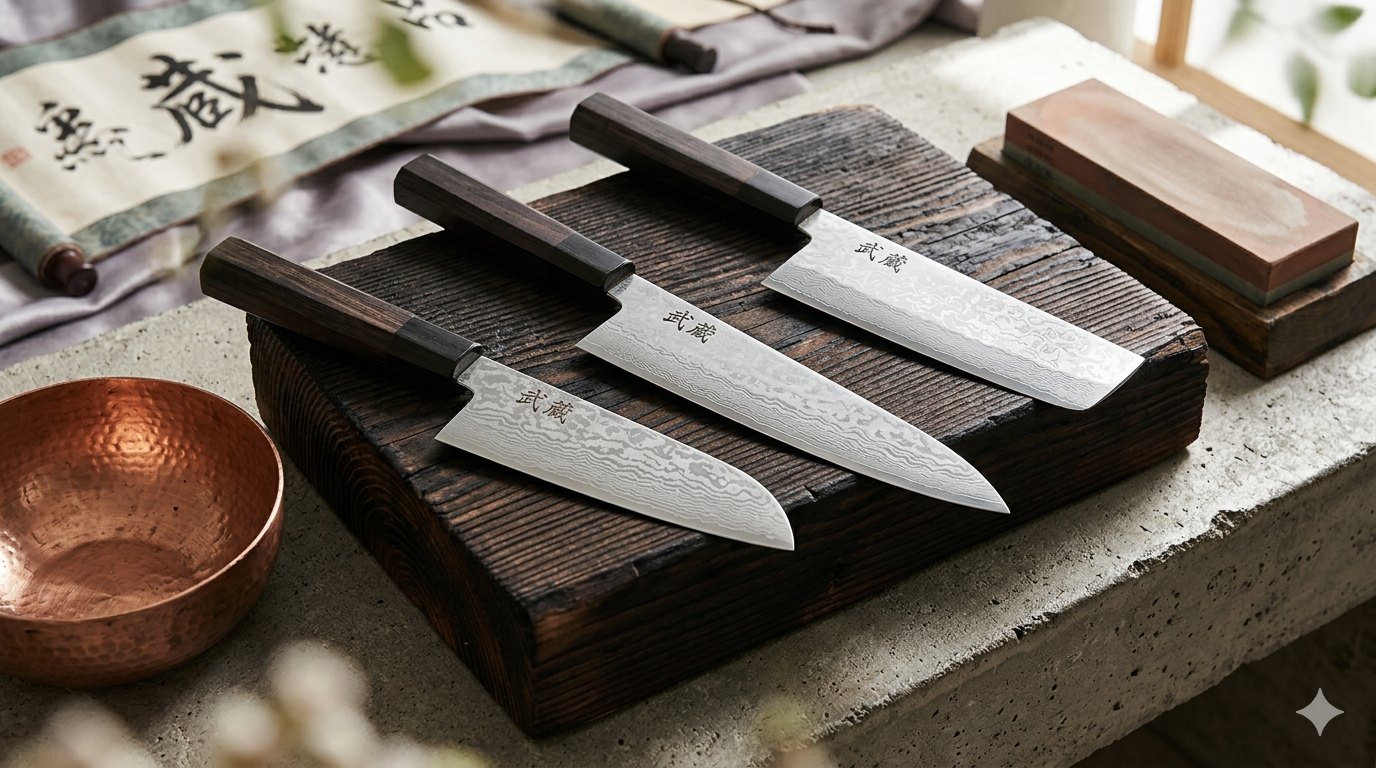
There are knife brands, and then there are knife brands with a 250-year history. MUSASHI falls into the latter category—a Japanese knife maker with roots tracing back to the late 18th century in Seki City, the Solingen of Japan and the country’s historic cutlery capital. For serious home cooks and culinary enthusiasts, a knife with that kind of heritage carries weight. MUSASHI has leveraged that story effectively in the DTC market, building a following around high-carbon VG-10 steel blades and aesthetics that bridge traditional Japanese craftsmanship with modern kitchen utility.
The numbers on their own platform are impressive: over 6,000 reviews averaging 4.8 out of 5. The product photography is excellent, the knife aesthetics are genuinely beautiful, and the VG-10 steel specification—a premium Japanese stainless steel prized for edge retention—is a meaningful quality signal. For shoppers who want a Japanese-made knife with verifiable heritage and high-carbon steel performance, MUSASHI has a legitimate case to make.
The complication is the Trustpilot picture, which tells a different story. A 1.9 out of 5 on Trustpilot, driven largely by customer service complaints, stands in stark contrast to the on-site reviews. The discrepancy is worth understanding: shoppers who receive a knife and love it tend to review on the brand’s site; shoppers who have fulfillment or post-purchase problems tend to review elsewhere. This doesn’t make the positive reviews fake, but it does suggest the experience isn’t uniformly excellent.
What Is MUSASHI?
MUSASHI is a Japanese knife brand based in Seki City, Gifu Prefecture—Japan’s historic cutlery-making region. The brand claims a lineage of over 250 years and sells a range of kitchen knives including gyuto (chef’s knives), santoku, nakiri, petty, and specialty blades. Their flagship knives use VG-10 steel, a high-carbon stainless steel known for excellent edge retention and corrosion resistance. Knives are sold direct-to-consumer through their website, with handles in wood, resin, and traditional Japanese wa-handle styles.
Who Is MUSASHI For?
MUSASHI is a good fit for serious home cooks who want to invest in a quality Japanese knife with genuine heritage, and who are comfortable with the care requirements that come with high-carbon steel blades. It’s particularly appealing to buyers drawn to Japanese knife culture—the aesthetics, the sharpening ritual, the balance and feel of a well-made blade—and who are shopping in the $100–$300 range where quality Japanese knives typically start. It’s less suited to buyers who want a low-maintenance knife or who may need active customer support post-purchase.
What Users Love
The knives themselves receive glowing praise when the experience goes smoothly. Reviewers consistently describe the sharpness out of the box as exceptional—edges that slice through tomatoes, proteins, and vegetables with minimal effort. The VG-10 steel holds its edge well with proper care, and reviewers who sharpen regularly report the steel responds beautifully to a whetstone. The aesthetics are a major draw: MUSASHI knives photograph strikingly and look as impressive as they perform for buyers who prize kitchen tools that are also objects of craft. The 250-year heritage is a genuine selling point for gift purchasers.
What to Know Before You Buy
Customer service is the most documented pain point. Third-party review platforms surface complaints about slow responses, unfulfilled orders, and difficulty resolving post-purchase issues. This doesn’t mean every buyer will have a problem, but the gap between on-site ratings and independent platform ratings is wide enough to warrant caution. VG-10 steel, while excellent, requires more care than German steel (hand-wash only, dry immediately, regular honing and sharpening)—buyers who put Japanese knives in the dishwasher or neglect sharpening will have a poor experience. Shipping times, particularly for international orders, have also been flagged as longer than expected.
How It Compares
Against Shun, the most well-known Japanese knife brand in the US, MUSASHI offers comparable steel quality with stronger heritage claims, but Shun has better distribution, better customer service infrastructure, and more consistent buyer experiences. Versus MAC knives, another respected Japanese brand, MUSASHI edges ahead on aesthetics and traditional styling while MAC has a stronger reputation for consistent quality control. Compared to German knives like Wusthof or Henckels, MUSASHI offers a harder steel with better edge retention but requires more maintenance and is less forgiving of rough use. For the right buyer, MUSASHI competes at or above its price point on the product itself.
Is It Worth the Price?
The knife itself, when it arrives correctly, tends to justify the price. VG-10 steel with Japanese craftsmanship and a 250-year brand story at MUSASHI’s price points represents genuine value compared to department store Japanese knife alternatives. The uncertainty is in the post-purchase experience. If you receive your knife without issue, you’ll likely be delighted. If something goes wrong and you need support, the experience may be frustrating. Paying with a credit card (for dispute protection) is advisable, as it is with any DTC brand where customer service is uncertain.
Our Verdict
MUSASHI knives are genuinely impressive products from a brand with real heritage. If the knife arrives as expected—which it does for many buyers—you’re getting a beautiful, sharp, well-made Japanese blade at a fair price. The customer service track record is a meaningful risk factor, and the Trustpilot score isn’t noise. For buyers willing to accept that risk and who would use a credit card as a backstop, MUSASHI is worth considering. For buyers who want reliable post-purchase support as a baseline expectation, Shun or MAC may be safer bets at a similar price.
Frequently Asked Questions
What steel does MUSASHI use?
Most MUSASHI knives use VG-10, a high-carbon Japanese stainless steel prized for edge retention and corrosion resistance.
Are MUSASHI knives dishwasher safe?
No. Like all quality Japanese knives, MUSASHI blades should be hand-washed and dried immediately. Dishwasher use will damage the edge and potentially warp wooden handles.
How long has MUSASHI been making knives?
The brand claims over 250 years of knife-making heritage in Seki City, Japan—historically the center of Japanese cutlery production.
Why is MUSASHI’s Trustpilot rating so low?
Third-party reviews skew toward customers who had problems. The on-site 4.8/5 rating reflects buyers who received their knife and loved it; Trustpilot captures more of the post-purchase service complaints. Both data points are real.
What kind of knives does MUSASHI offer?
Their catalog includes gyuto (chef’s knife), santoku, nakiri, petty, and various traditional Japanese blade styles in different handle materials and sizes.